

Indoor Air Quality
The air we breathe may be something we take for granted, but bad air can create real health...
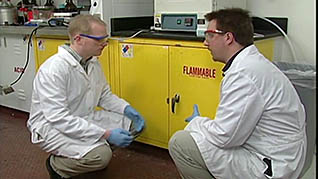
Laboratory Safety: Flammables and Explosives in the Laboratory
Flammables and explosives are dangerous, making it imperative for laboratory workers to understand these materials and be properly...
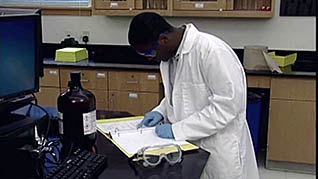
Laboratory Safety: GHS Safety Data Sheets in Laboratories
Laboratory workers come in contact with hazardous materials every day. OSHA adopted the Globally Harmonized System of Classification...
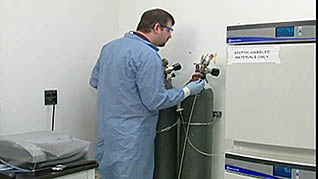
Laboratory Safety: Handling Compressed Gas Cylinders in the Laboratory
Compressed gas cylinders have the potential to become bombs. Every lab worker who handles compressed gas cylinders must...
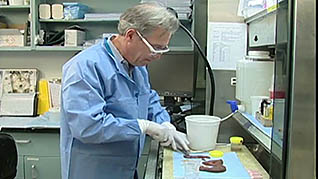
Laboratory Safety: The OSHA Formaldehyde Standard
The common use of formaldehyde combined with its dangerous properties has warranted OSHA’s creation of a specific standard...
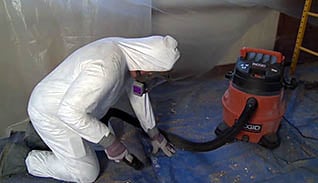
Lead Exposure in Construction Environments
You may have seen stories on the news about lead, particularly lead contamination in homes and in public...

Lead Exposure in General Industry
Lead is one of the first metals ever used by man, and it is also the first recorded...
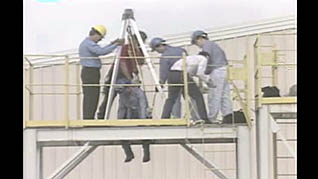
Process Safety Management
This video training program shows how people, places and processes unite to enact a workplace’s process hazard analysis...
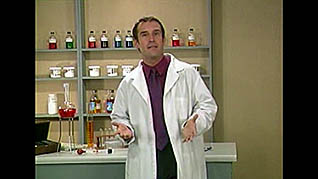
Radiation: Industrial Radiation Safety
This video explains the sources of background radiation, the nature of radiation, and other sources of radiation, such...
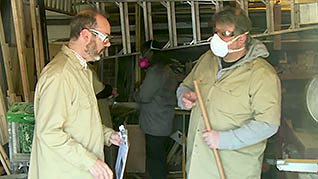
Silica Safety in Industrial and Construction Environments
OSHA estimates more than 100,000 employees in general industry and more than 2 million construction workers are exposed...
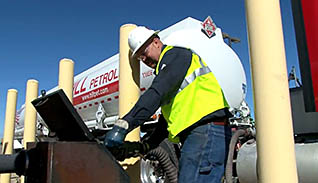
SPCC By The Numbers for General Industry
When working with hazardous materials, such as petroleum products, regulations need to be enforced to prevent harm to...
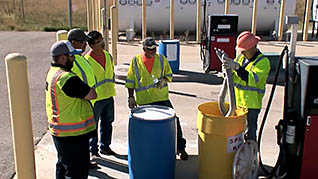
SPCC By The Numbers for General Industry – Concise Version
Fuels and lubricants are used by industries nationwide around the clock. This video training explores the laws, rules,...